
The Role of Urban Green Spaces in Improving Environmental Quality

Article Sidebar
-
green, urban, quality
Abstract
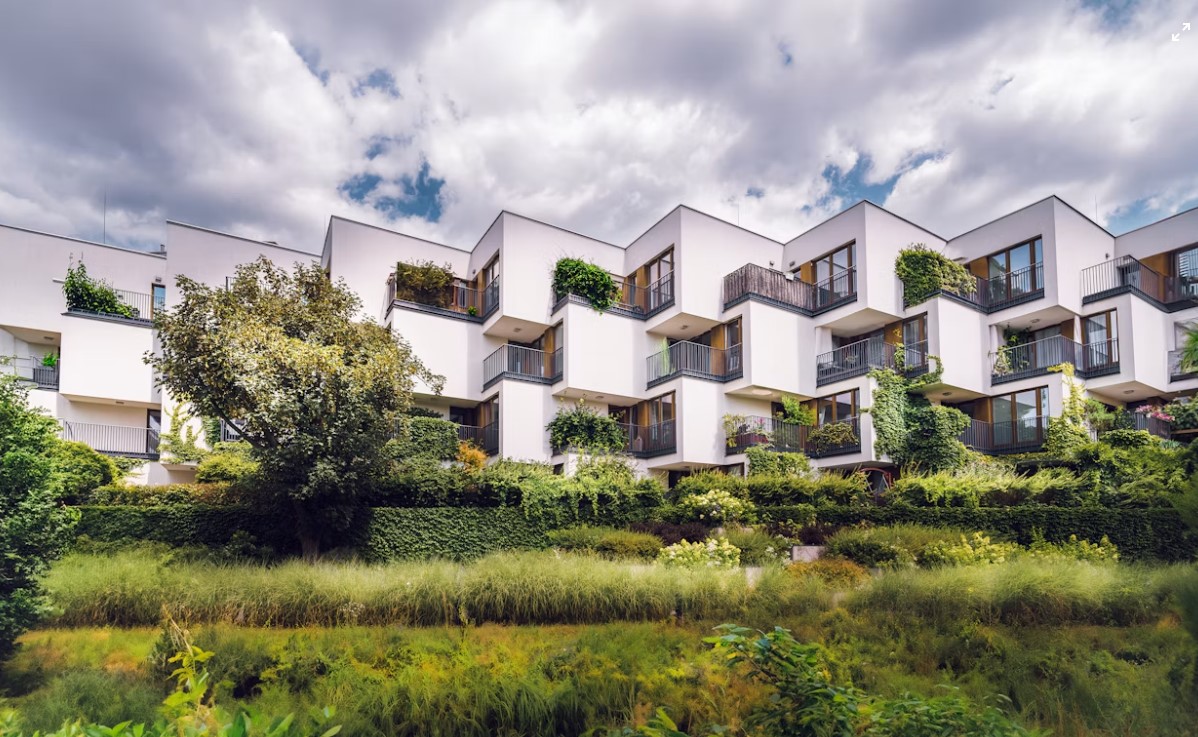
Urban green spaces play an important role in maintaining environmental quality and supporting the well-being of people living in densely populated cities. This article discusses the general contribution of parks, urban forests, community gardens, and other green areas to air quality, temperature regulation, biodiversity, and social interaction. A conceptual review approach is used to summarize common findings related to urban vegetation and environmental sustainability. The discussion indicates that well-managed green spaces may reduce local temperatures, provide habitats for urban wildlife, and create recreational areas for residents. However, their effectiveness depends on accessibility, vegetation diversity, maintenance, and integration with urban planning. The article emphasizes that green infrastructure should be considered an essential component of sustainable city development rather than merely a decorative element.
Full Article
Authors
Copyright (c) 2019 Raka Putra, Emily Carter, Kenji Mori

This work is licensed under a Creative Commons Attribution-ShareAlike 4.0 International License.
- Every manuscript submitted to must observe the policy and terms set by the Dental Journal (Majalah Kedokteran Gigi).
- Publication rights to manuscript content published by the Dental Journal (Majalah Kedokteran Gigi) is owned by the journal with the consent and approval of the author(s) concerned.
- Full texts of electronically published manuscripts can be accessed free of charge and used according to the license shown below.
- The Dental Journal (Majalah Kedokteran Gigi) is licensed under a Creative Commons Attribution-ShareAlike 4.0 International License